Cocktail History
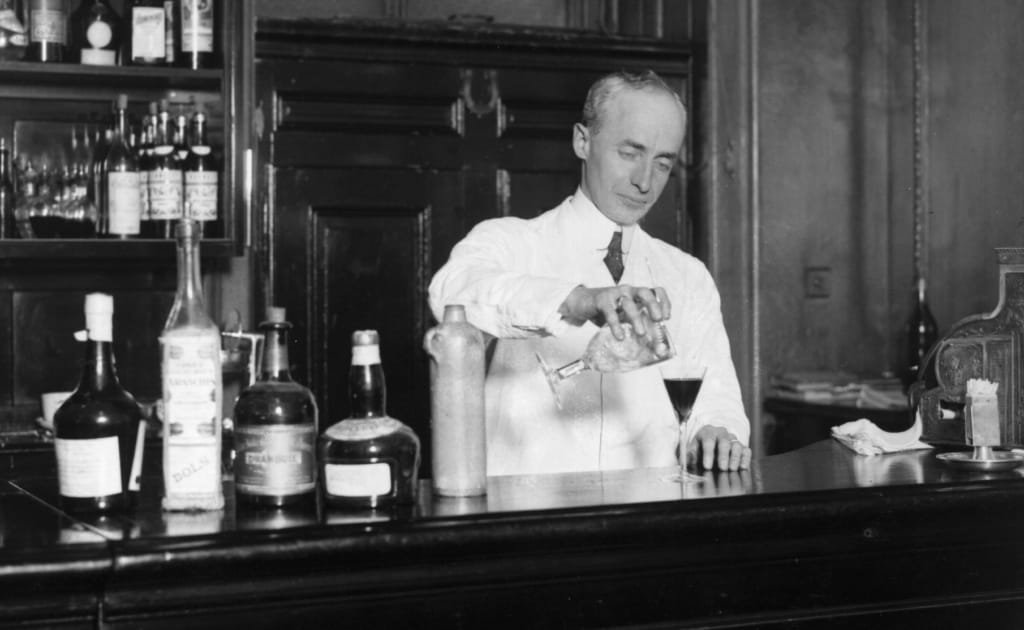
1920s During Prohibition, underground parties sold illegally distilled liquor improved with honey, juice and other flavourings, which also disguised it and made it easier to drink quickly – crucial when you could get raided by the police mid-sip.
1930s In 1930s post-Prohibition, the emerging tiki culture spawned a surge of rum-related “exotic” cocktails like the Mai Tai.
1960s In the ’60s, cocktails – and cocktail parties – experienced another surge in popularity, when a series of mass-produced products, including flavoured vodka, hit the market.
1980s and 90s Classic cocktails championed by the aforementioned Jerry Thomas returned to prominence thanks to bartenders like “King Cocktail” of New York’s Rainbow Room, who is recognised as reviving the profession. It was the beginning of a renaissance that continues today.
2000s Today’s focus on health and our appreciation of authenticity have in turn inspired the drinks. You’ll recognise on-trend “craft” cocktails by their artisan ingredients; the movement also places a focus on technique and is characterised by classic drinks, often with a contemporary twist.